
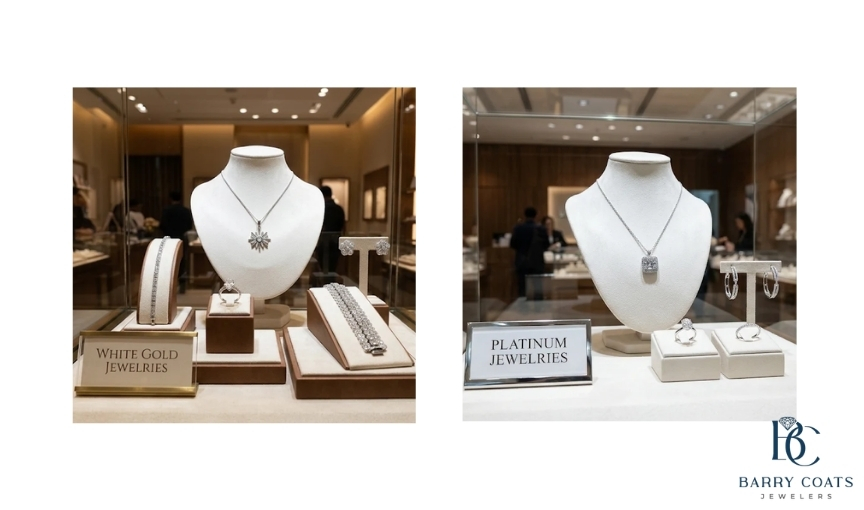
White Gold vs Platinum: Cost, Durability, Upkeep
When you are choosing a special piece of jewelry, like an engagement ring or a wedding band, you might find yourself comparing white gold vs platinum. Both metals are popular for their bright, silvery-white look, but they have key differences in cost, how long they last, and what it takes to care for them. Understanding these differences can help you make the best choice for your lifestyle and budget. This guide will walk you through what makes each metal unique.
Key Takeaways
- Cost: Platinum generally costs more than white gold upfront due to its rarity and density.
- Durability: Platinum is denser and more resistant to scratches and wear. White gold is strong but can wear down over time.
- Upkeep: White gold needs re-plating (rhodium plating) every few years to keep its white color. Platinum needs less frequent maintenance for its color but can show a natural “patina.”
- Hypoallergenic: Platinum is naturally hypoallergenic, making it a good choice if you have sensitive skin.
- Weight: Platinum feels heavier than white gold because it is a denser metal.
Understanding White Gold: Composition and Characteristics
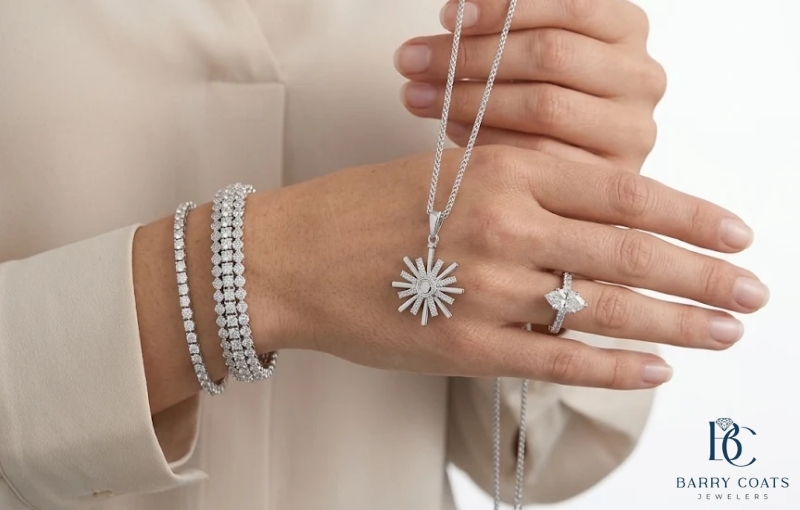
White gold is not found naturally. It is an alloy, which means it is a mix of pure yellow gold and other white metals. These metals often include palladium, nickel, or silver. The mix of metals helps to give white gold its silvery appearance and makes it stronger than pure gold.
How White Gold Gets Its White Color
The natural color of gold is yellow. To make it white, jewelers mix it with white metals. After shaping the jewelry, it is usually coated with a very thin layer of a metal called rhodium. Rhodium is a member of the platinum family and gives white gold its bright, shiny white finish.
Key Insight: The rhodium plating is what gives white gold its brilliant white look. Without it, white gold might have a slightly yellowish or off-white tint.
White Gold Durability
White gold is a strong metal, but its durability depends on the other metals mixed with it. Here are some points about its durability:
- Scratch Resistance: White gold can scratch, and over time, these scratches can show.
- Wear and Tear: The rhodium plating on white gold can wear off, especially on areas that get a lot of rubbing, like the underside of a ring.
- Strength: While strong, white gold is generally less dense than platinum, meaning it might show wear more quickly than platinum under heavy use.
White Gold Upkeep
Caring for white gold is fairly simple, but it does require some specific steps to maintain its appearance.
- Rhodium Re-plating: The most important part of white gold upkeep is re-plating with rhodium. This usually needs to be done every one to three years, depending on how often you wear the jewelry and how it is cared for. Barry Coats Jewelers can help you with your jewelry repair needs, including re-plating.
- Cleaning: You can clean white gold at home with mild soap and warm water, using a soft brush.
- Storage: Store white gold jewelry separately to avoid scratches from other pieces.
- Chemicals: Avoid exposing white gold to harsh chemicals like chlorine, which can damage the rhodium plating and the metal itself.
White Gold Cost
White gold is generally less expensive than platinum. Several factors play into its cost:
- Gold Content: The price depends on the karat-weight (e.g., 14K or 18K), which tells you how much pure gold is in the alloy. Higher karat means more pure gold and usually a higher price.
- Alloying Metals: The specific white metals used in the alloy can also affect the cost.
- Manufacturing: While there is the added step of rhodium plating, the raw material cost of gold is often lower than platinum.
Understanding Platinum: Composition and Characteristics
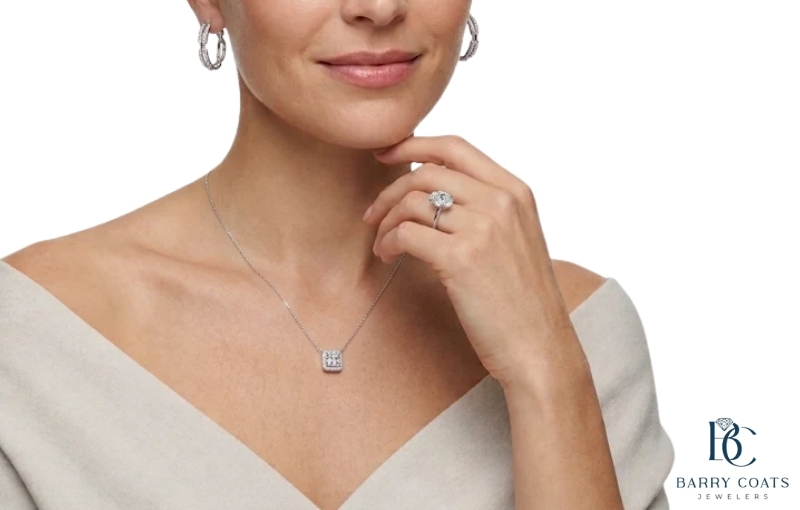
Platinum is a naturally white metal. Unlike white gold, it does not need to be mixed with other metals to achieve its color, though it is often alloyed with a small amount of other platinum group metals for hardness. This means its white color runs all the way through the metal.
Is Platinum Better Than White Gold for Sensitive Skin?
Yes, platinum is often considered better for sensitive skin. Here is why:
- Hypoallergenic: Platinum is naturally hypoallergenic. This means it is very unlikely to cause skin irritation or allergic reactions. Many people with sensitive skin choose platinum because it is nearly 100% pure.
- No Nickel: White gold often contains nickel, which is a common allergen. Since platinum does not contain nickel, it is a safer choice for those with allergies.
Platinum Durability
Platinum is known for its exceptional durability and strength. Consider these points about its lasting qualities:
- Density: Platinum is a very dense metal. This density makes it heavier and more resistant to wear.
- Scratch Resistance: While platinum can scratch, it differs from white gold. When platinum scratches, the metal is not lost; it simply moves from one place to another on the surface. This creates a soft, matte finish called a “patina” over time.
- Strength: Platinum is very strong and secure for holding diamonds and other gemstones. Its strength means prongs are less likely to break or bend, offering excellent protection for your precious stones.
Pro Tip: If you prefer the bright, shiny look of new platinum, Barry Coats Jewelers can polish your platinum jewelry to restore its original luster.
Platinum Upkeep
Platinum requires less specific upkeep to maintain its color compared to white gold.
- Patina: As mentioned, platinum develops a natural patina over time. Some people love this soft, understated look. If you prefer a high shine, regular polishing can restore its original brightness.
- Cleaning: Like white gold, platinum can be cleaned at home with mild soap, warm water, and a soft brush.
- Chemicals: Platinum is very resistant to chemicals, making it a good choice for daily wear without worrying about damage from household cleaners.
Platinum Cost
Platinum is typically more expensive than white gold. Here are the reasons for its higher price:
- Rarity: Platinum is much rarer than gold. It is found in fewer places around the world, making it more difficult and costly to mine.
- Density: Platinum is denser than gold, so a piece of platinum jewelry of the same size as a white gold piece will weigh more. Since precious metals are priced by weight, this adds to the overall cost.
- Purity: Platinum jewelry is often made with a higher purity level (e.g., 90-95% pure) compared to white gold (e.g., 58.5% for 14K, 75% for 18K), which also contributes to its higher price.

White Gold vs Platinum: A Comparison
To help you decide, here is a direct comparison of white gold and platinum.
| Feature | White Gold | Platinum |
|---|---|---|
| Color | Silvery-white (rhodium plated) | Naturally white |
| Composition | Alloy of gold and white metals (e.g., nickel, palladium) | Nearly pure (often 90-95% pure) |
| Cost | Generally less expensive | Generally more expensive |
| Durability | Strong, but rhodium plating wears off; metal can be lost with scratches | Very strong, dense; metal moves, forming a patina |
| Upkeep | Needs re-plating every 1-3 years | Develops a patina; can be polished to restore shine |
| Weight | Lighter | Heavier (more dense) |
| Hypoallergenic | Can cause allergies due to nickel (if present) | Naturally hypoallergenic |
| Maintenance | Regular re-plating to maintain white color | Polishing to restore shine if patina is not desired |
Making Your Choice: Which Metal is Right for You?
Choosing between white gold and platinum depends on your priorities.
- Consider White Gold If:
- You prefer a lower upfront cost.
- You do not mind periodic maintenance for re-plating.
- You do not have metal allergies (or your white gold is nickel-free).
- You like a lighter feel to your jewelry.
- Consider Platinum If:
- You want a naturally white metal that does not require re-plating.
- You have sensitive skin or metal allergies.
- You prefer a heavier, more substantial feel to your jewelry.
- You are looking for the highest level of durability and security for your gemstones.
- You do not mind the natural patina that develops over time, or you are willing to have it polished.
No matter which metal you choose, Barry Coats Jewelers offers a wide selection of beautiful jewelry crafted from both white gold and platinum. Our experienced staff can answer your questions and help you find the perfect piece.
Frequently Asked Questions About 10K Gold
Does white gold turn yellow?
Yes, white gold can start to show a yellowish tint over time as its rhodium plating wears off. This is normal and can be fixed by having the jewelry re-plated.
Is platinum heavier than white gold?
Yes, platinum is significantly denser than white gold, so a piece of platinum jewelry will feel heavier than a white gold piece of the same size.
How often do I need to re-plate white gold?
The frequency for re-plating white gold depends on how often you wear the jewelry and your daily activities. Typically, it is recommended every one to three years.
Can I be allergic to white gold?
Yes, some people can be allergic to white gold, especially if it contains nickel, which is a common allergen. Platinum is a good alternative if you have metal allergies.
Does platinum scratch?
Platinum can scratch, but unlike white gold, the metal is not removed. Instead, it is displaced, creating a soft, matte finish known as a patina. This can be polished away to restore its original shine.
What is the purity of white gold and platinum jewelry?
White gold purity is measured in karats, such as 14K (58.5% pure gold) or 18K (75% pure gold). Platinum jewelry is typically much purer, often 90% or 95% pure platinum.