Guide to Lab Grown Diamond Resale Value
When you shop for fine jewelry, you might notice that lab-created stones give you larger sizes for a lower price tag. However, if you plan to update your jewelry box later, you should understand how lab grown diamond resale value works. Knowing what to expect ahead of time helps you make a smart buying choice for your budget and your style. At Barry Coats Jewelers, we believe in giving you clear facts so you can choose pieces you love with complete confidence.
Key Takeaways
- Lab-created gems cost less up front than mined gems, but they also bring lower payout percentages on the secondary market.
- You can sell these stones, yet buyers typically pay based on current wholesale production costs rather than your original retail price.
- The precious metal in your ring – such as yellow gold, white gold, rose gold, or platinum – often makes up a large part of the resale quote.
- Working with a trusted local jeweler like Barry Coats Jewelers gives you an honest look at your trade-in and selling options.
What Determines Lab-Created Gemstone Worth?
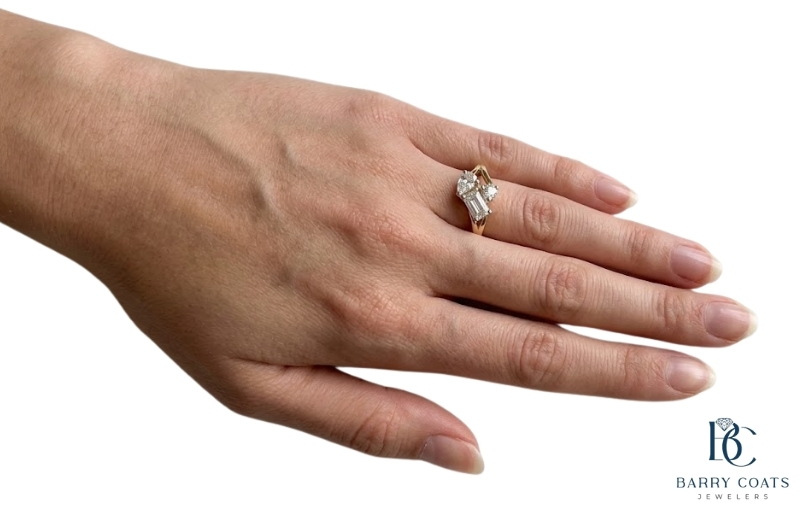
A manufactured diamond has the exact same chemical, optical, and physical traits as an earth-mined stone. It is real carbon crystallized under high heat and heavy pressure. Because scientists make these stones inside modern facilities, the supply continues to increase every year.
Retail prices for manufactured stones have dropped over the past decade as technology has improved. When a store can buy new inventory from a manufacturer for less money today than they did three years ago, the secondary market adjusts downward as well. As a result, your stone’s future price tag depends directly on the current cost to produce brand-new gems.
Can You Sell Lab Grown Diamonds?
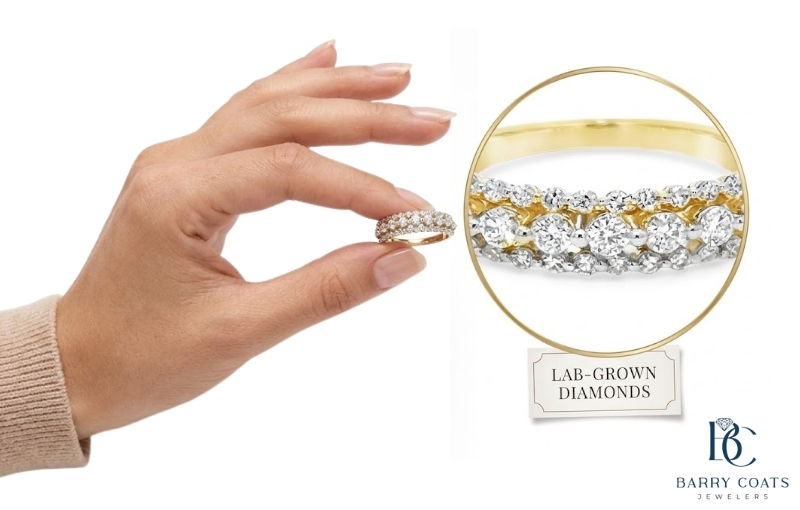
Many people ask: can you sell lab grown diamonds once you no longer wear them? The short answer is yes, but your selling pool is smaller than it is for natural stones.
When you want to sell a lab-created stone, you have a few common options:
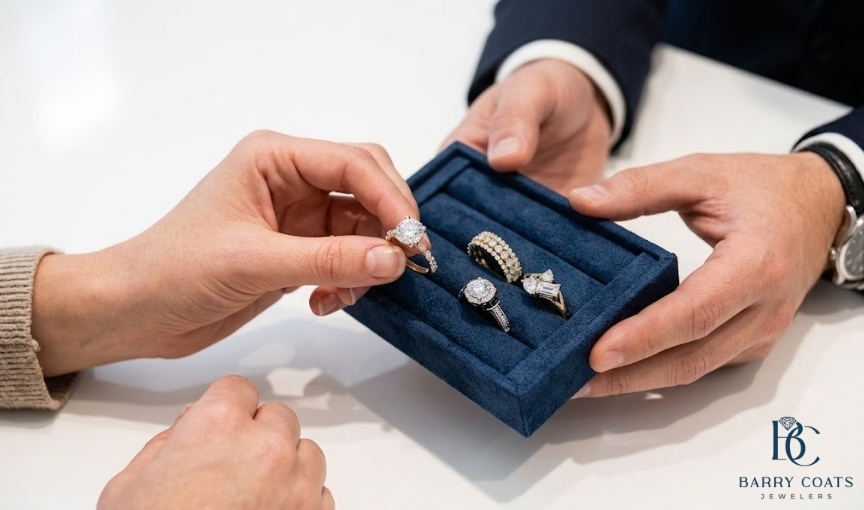
- Local Independent Jewelers: Some family-owned shops offer store credit, trade-in value, or cash buyouts depending on their current inventory needs.
- Gold and Estate Buyers: Many gold buying businesses look primarily at the precious metal weight of your setting, though some will make an offer on the center stone.
- Pawn Shops: These shops may purchase manufactured stones, but their offers generally reflect quick liquidation rates.
- Direct-to-Consumer Platforms: You can list your jewelry on peer-to-peer marketplaces, which lets you set your own asking price directly for other consumers.
Factors That Influence Your Return
Not all jewelry pieces receive the same payout. When an appraiser or buyer evaluates your piece, they look at several distinct details:
1. The 4 Cs of Quality
Just like mined diamonds, lab stones receive grades based on the 4 Cs:
- Cut: Well-cut stones with ideal proportions reflect light best and hold better interest.
- Color: Colorless stones (graded D through F) remain more popular than stones with faint tints.
- Clarity: Stones free of visible inclusions rank higher on the pricing charts.
- Carat Weight: Larger carat sizes still command higher overall dollar amounts, even if the per-carat price drops across the industry.
2. Independent Lab Certification
Having proof of quality helps your case when you sell. Recognized grading reports give potential buyers confidence in the stone’s specifications:
- International Gemological Institute (IGI)
- Gemological Institute of America (GIA)
3. The Setting Material
The metal holding your gem plays a major role in your total payout. While stone values change over time, precious metals hold established daily market prices:
- Platinum: A heavy, durable metal that carries strong scrap and resale weight.
- Yellow Gold: A classic choice with well-tracked melt value based on karat purity (10k, 14k, or 18k).
- White Gold: Offers a bright finish and solid trade value based on gold content.
- Rose Gold: A stylish blend of gold and copper alloys that buyers evaluate by karat grade.
Key Insight: If your manufactured stone brings a modest offer, the gold or platinum band it sits in might still deliver significant cash value.
Natural Diamonds vs. Lab Diamonds: Resale Comparison
Understanding the differences between mined and lab-created gems helps set realistic expectations before you buy or sell.
| Feature | Lab-Created Diamond | Earth-Mined Diamond |
|---|---|---|
| Initial Purchase Cost | 60% to 80% lower than mined | Higher upfront investment |
| Market Supply | Potentially unlimited production | Finite natural supply |
| Secondary Market Demand | Limited, selective buyers | Broad, established global network |
| Resale Percentage Range | Usually 10% to 30% of original retail | Usually 30% to 60% of original retail |
| Value Driver at Resale | Setting metal and current factory rates | Rarity, stone quality, and setting metal |
How to Prepare Before Selling Your Jewelry
If you want to clear out older pieces from your collection, follow these simple steps to protect your interests:
- Gather All Original Paperwork: Locate your original receipt, appraisal slips, and grading certificates from IGI or GIA.
- Clean the Item Thoroughly: Gentle cleaning removes oils and dirt, allowing the jeweler to inspect the cut and clarity without distraction.
- Know Your Precious Metal Markings: Check inside the band for stamps like “14K,” “18K,” or “PLAT” to understand the basic metal content.
- Decide Between Cash or Trade-in: Many jewelers offer higher value if you use your return toward a new custom jewelry design or another piece in the showroom.
- Seek a Reputable Jeweler: Choose a multi-generation jeweler with deep roots in the community, such as Barry Coats Jewelers, for a fair, transparent evaluation.
Frequently Asked Questions
Do lab diamonds lose value immediately after purchase?
Like driving a new car off a dealer’s lot, retail jewelry includes markups for design, shipping, and store operations. Because lab-created stones are inexpensive to manufacture, they tend to see a sharp drop from their original retail price when entering the pre-owned market.
Why do buyers pay less for lab-created gems?
Supply and demand dictate secondary pricing. Because labs continue to lower production costs and increase output every year, buyers know they can acquire brand-new stones directly from suppliers at low prices.
Does my ring mount add to the final offer?
Yes. Gold and platinum retain steady raw material value. When you sell a complete ring, a jeweler calculates the value of the precious metal based on current market rates alongside any offer for the center gem.
Can I trade my lab-grown stone for something else?
Many jewelry stores welcome trade-ins. If you want to update your bridal set, design a custom pendant, or choose a new watch, trading in your existing piece can help offset your final balance.
Making the Right Choice for Your Collection
Selecting a diamond comes down to what matters most to you. If your goal is to get the largest, cleanest gem for your immediate budget, a lab-created stone offers great daily enjoyment. If long-term value retention on the secondary market is your main goal, natural diamonds or heavy gold bands might suit your plans better.
At Barry Coats Jewelers, our fourth-generation team is here to guide you through every option. Whether you want to sell gold, evaluate an existing ring, create a custom design, or browse diamond rings, we provide honest advice and helpful service every step of the way.
Visit Barry Coats Jewelers in Livingston, Texas, or stop by our showroom today to speak with our knowledgeable team about your jewelry, repair, and trade-in needs.