
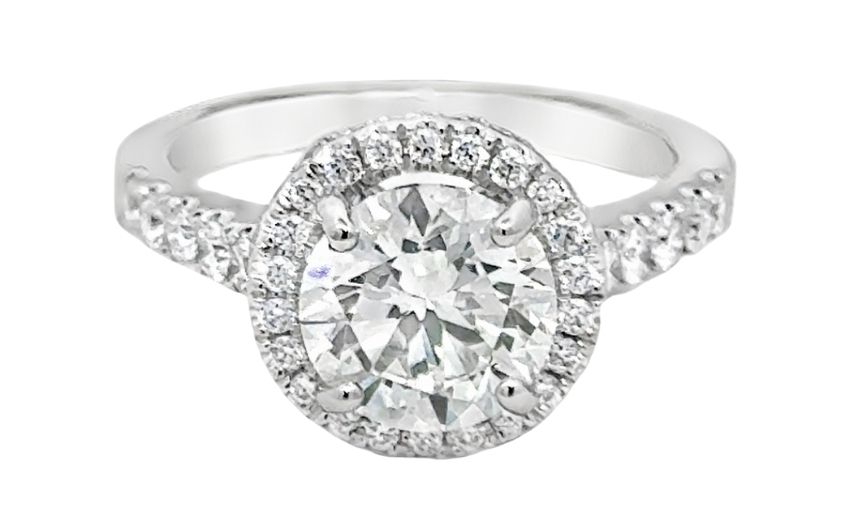
Introduction
When you start the search for an engagement ring, you are not just choosing a piece of jewelry. You are deciding on a symbol of your relationship, your values, and your shared future. Some couples lean toward tradition, while others want their ring to reflect modern values like sustainability and fairness. At Barry Coats Jewelers in Livingston, Texas, you can weigh the differences between ethical engagement rings and traditional options without feeling lost in a sea of jargon. Think of it as comparing apples to oranges—both are fruits, but the taste and impact are very different.
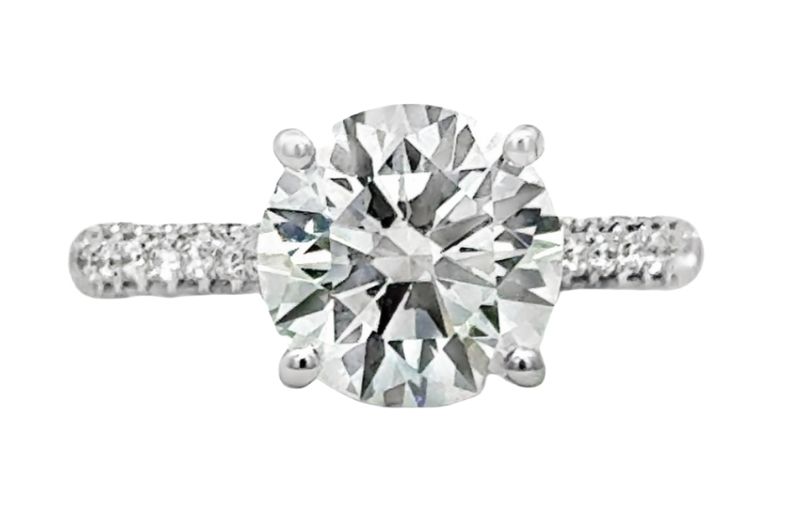
What Makes an Engagement Ring Ethical?
The term ethical engagement ring refers to jewelry that aligns with ethical sourcing practices. These practices prioritize transparency, human rights, and environmental responsibility. For example, diamonds and metals are sourced in a way that avoids financing conflicts or contributing to unfair labor conditions. Ethical rings often feature:
- Conflict-Free Diamond Engagement Rings
- Lab-grown diamonds made with advanced technology
- Metals recycled from existing jewelry or responsibly mined sources
When you choose an ethical ring, you are making a decision that reflects both beauty and conscience.
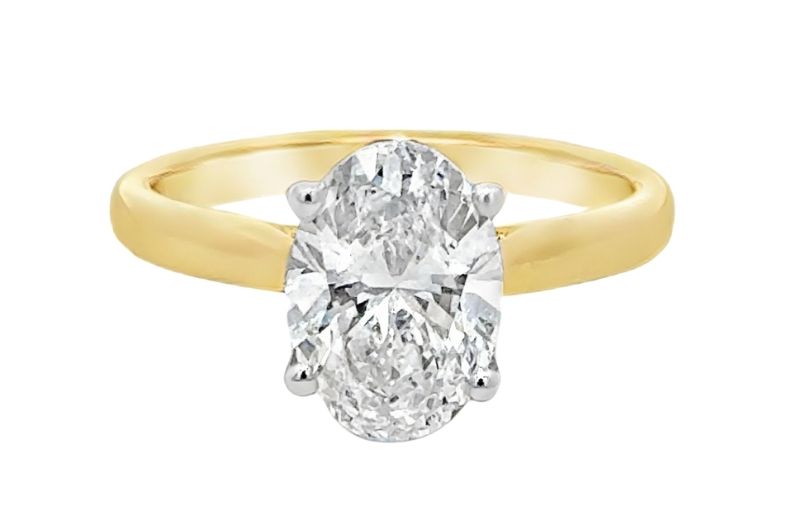
Traditional Engagement Rings Defined
Traditional engagement rings are typically crafted from earth-mined diamonds and newly mined metals like yellow gold, white gold, or platinum. These rings often appeal to couples who value historical significance, classic aesthetics, and legacy. Traditional rings may carry with them a romantic sense of continuity—what your grandparents may have worn and passed down. However, the sourcing of these rings is not always linked to the same ethical commitments found in modern alternatives.
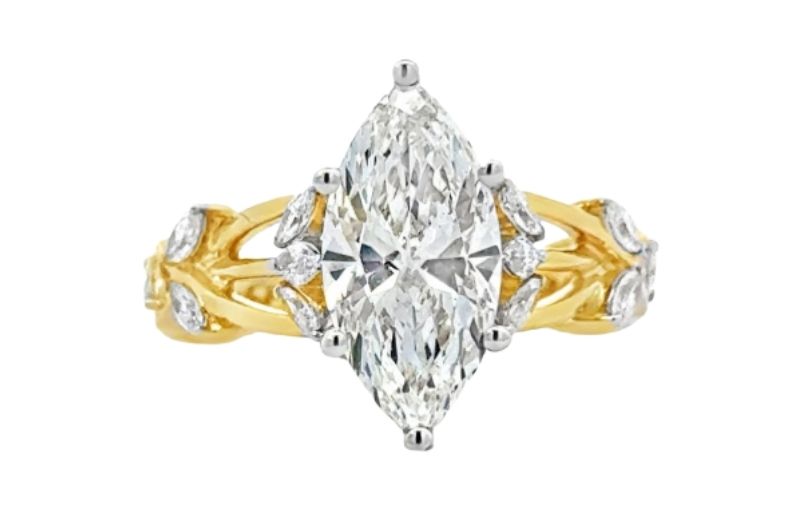
Comparing Ethical and Traditional Rings
Think of this as standing at a fork in the road. Both paths lead to a beautiful ring, but the journey and the scenery differ. Here is how they compare:
1. Sourcing Practices
- Ethical: Conflict-free, transparent supply chains, eco-conscious materials.
- Traditional: May include mined diamonds with less transparency about origin.
2. Environmental Impact
- Ethical: Lower impact due to recycled metals or lab-created stones.
- Traditional: Mining processes can leave a larger environmental footprint.
3. Cost Considerations
- Ethical: Lab-grown diamonds and recycled metals can often be more affordable.
- Traditional: Earth-mined diamonds typically carry higher prices due to rarity.
4. Aesthetic Appeal
- Ethical: Wide range of options, including unique lab-created gemstones.
- Traditional: Classic designs that have stood the test of time.
5. Personal Values
- Ethical: Appeals to those who prioritize social responsibility.
- Traditional: Appeals to those who prefer heritage and convention.
Why Couples in Livingston, Texas, Are Asking These Questions
At Barry Coats Jewelers, customers often ask about the differences between conflict-free diamonds and mined options. Livingston is a town with a rich tradition of family values, and couples here care about what their purchases represent. You may be choosing between honoring tradition or reflecting modern responsibility—or even finding a way to combine both. After all, an engagement ring is not just a purchase; it is a lifelong commitment.
The Role of Barry Coats Jewelers
As a fourth-generation jeweler, Barry Coats Jewelers has helped many couples find rings that reflect their story. Whether you are leaning toward traditional mined diamonds or considering conflict-free diamond engagement rings, you will find knowledgeable guidance and trusted expertise. The store offers:
- Custom jewelry design to make your ring unique
- Lab-grown and earth-mined diamond options
- Ring services and appraisals so your choice is protected for years
- A full-service experience that makes choosing a ring enjoyable
With Barry Coats Jewelers, you get the benefit of time-honored craftsmanship alongside access to modern ethical choices.
Choosing the Right Ring for You
Here is the honest truth: there is no right or wrong answer. Your ring should reflect your love story. If your heart leans toward tradition, you may prefer the heritage of a mined diamond. If your conscience points to modern values, an ethically sourced or lab-created stone might be the perfect fit. Sometimes, couples even combine the two—choosing recycled metals with a traditional diamond.
As the saying goes, “different strokes for different folks.” Your decision is yours to make, and it should feel good in both your heart and on your finger.
Conclusion
Your engagement ring decision is about more than diamonds and metal. It is about balancing beauty with meaning. Whether you lean toward ethical sourcing practices or traditional options, Barry Coats Jewelers in Livingston, Texas, is ready to help you make an informed choice. The right ring will not just shine on your hand—it will shine in your heart.
Frequently Asked Questions
- What are ethical sourcing practices?
Ethical sourcing practices involve transparent supply chains, fair labor conditions, and environmentally responsible methods for obtaining diamonds and metals. - Are lab-grown diamonds real diamonds?
Yes. Lab-grown diamonds have the same physical and chemical properties as mined diamonds. The main difference is how they are created. - Are conflict-free diamond engagement rings available in Livingston, Texas?
Yes. Barry Coats Jewelers offers conflict-free diamond engagement rings to help couples make ethical choices without sacrificing beauty. - Are traditional engagement rings less ethical?
Not always. Some traditional rings are responsibly sourced. The key difference is that traditional rings often rely on mined resources, which may have less transparency.
5. How do I decide between an ethical and a traditional ring?
Think about your values, budget, and style preferences. If you want a choice rooted in sustainability, ethical rings may suit you. If you prefer heritage and classic appeal, a traditional ring may be best.