
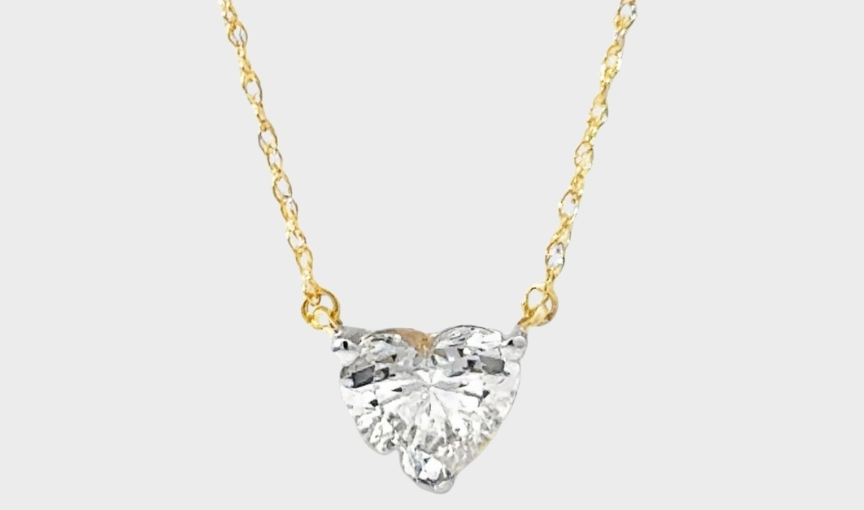
A heart shaped diamond necklace is a special piece of jewelry that often carries deep meaning. It can symbolize love, affection, and commitment. When you are considering a heart shaped diamond necklace, it is important to make an informed choice. In Livingston, Texas you can check out Barry Coats Jewelers which offers a selection of necklace that suits your taste. This guide will help you understand the key aspects of selecting a diamond necklace that meets your preferences and standards in 2026.
Key Takeaways
- Heart shaped diamonds require careful attention to their unique cut features.
- The 4 Cs (Carat, Cut, Color, Clarity) are important for evaluating heart diamonds.
- Metal choice and setting style affect the necklace’s overall look and durability.
- Chain style and length should complement the pendant and your personal style.
- Regular care and professional maintenance help keep your necklace beautiful for years.
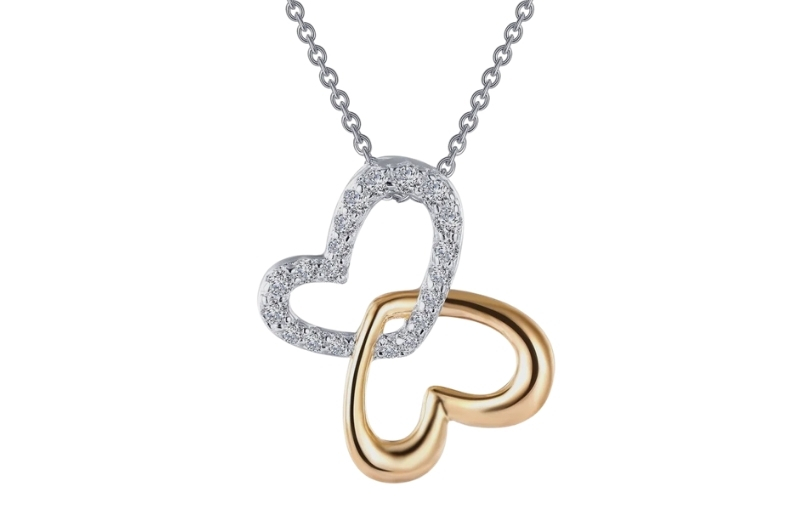
Understanding the Heart Shape Diamond
The heart-shaped diamond is known for its romantic and distinct outline. This shape requires skilled cutting to achieve its ideal form. Understanding its unique characteristics is the first step in buying a heart diamond that you will love.
What Makes a Heart Shape Diamond Distinct?
A heart shaped diamond stands out due to its specific visual elements. It features two rounded lobes at the top and a pointed bottom, with a clear “cleft” between the lobes. The symmetry of these features is important for the diamond’s overall beauty. A well-cut heart diamond will have a pleasing, balanced outline that clearly shows the heart shape. If the cut is not precise, the shape might appear uneven or less defined.
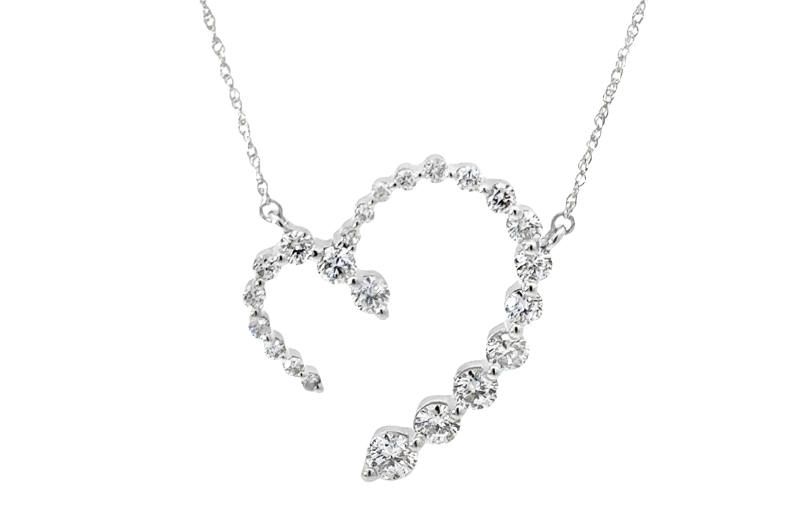
Key Factors for Your Heart Diamond Pendant
When you are choosing a diamond heart pendant, several factors contribute to its beauty and value. These include the quality of the diamond itself, the metal used for the necklace, and the style of the setting that holds the diamond.
The 4 Cs and Heart Shape Diamonds
The “4 Cs” are a standard way to judge diamond quality: Carat, Cut, Color, and Clarity. For a heart shaped diamond, each C plays a role in its appearance.
- Carat Weight: This refers to the diamond’s weight, which affects its size. A larger carat weight often means a larger diamond. For heart shapes, consider how the carat weight translates to the diamond’s visible surface area.
- Cut: The cut is very important for a heart shaped diamond. It determines how well the diamond reflects light and creates sparkle. For this shape, look for good symmetry, meaning the two halves of the heart are even. The cleft should be distinct, and the lobes should be rounded without appearing flat.
- Color: Diamond color ranges from D (colorless) to Z (light yellow or brown). For heart shaped diamonds, many people choose diamonds in the G-I color range, which appear colorless to the eye but cost less than D-F colors.
- Clarity: Clarity refers to the presence of internal flaws (inclusions) or external blemishes. For heart shapes, check to see if any inclusions are visible, especially in the pointed end or near the cleft, as these areas can sometimes highlight flaws.
Choosing the Right Metal for Your Necklace
The metal you choose for your necklace chain and pendant setting impacts the overall look, durability, and feel of your heart shaped diamond necklace.
- Platinum: This is a strong and naturally white metal. It is known for its durability and resistance to tarnish, making it a good choice for holding diamonds securely.
- Yellow Gold: A classic choice, yellow gold offers a warm, rich appearance. It comes in different purities, such as 14K or 18K, with 18K being purer but softer.
- White Gold: This popular metal has a modern, bright white look, similar to platinum. It is usually an alloy of gold mixed with white metals and plated with rhodium to enhance its color and shine.
- Rose Gold: Rose gold has a unique, warm, pinkish hue. It is an alloy of gold mixed with copper, which gives it its distinctive color. It offers a romantic and vintage appeal.
Pendant Setting Styles
The way a heart shaped diamond is set into a pendant affects its security, how much light it catches, and its overall style.
- Prong Setting: This is a common choice where thin metal claws hold the diamond in place. It allows a lot of light to enter the diamond, making it sparkle. For heart shapes, usually three or four prongs are used, with one often covering the point of the heart for protection.
- Bezel Setting: In this style, a thin band of metal wraps around the entire edge of the diamond. This offers excellent security and gives the diamond a sleek, modern look. It also protects the diamond’s edges.
- Halo Setting: A halo setting features a circle of smaller diamonds surrounding the main heart shape diamond. This makes the center diamond appear larger and adds extra sparkle to the pendant.
- Pave Setting: Pave settings involve small diamonds set closely together, giving the appearance of a continuous surface of sparkle. This can be used on the bail (the loop that connects the pendant to the chain) or as part of a halo design.
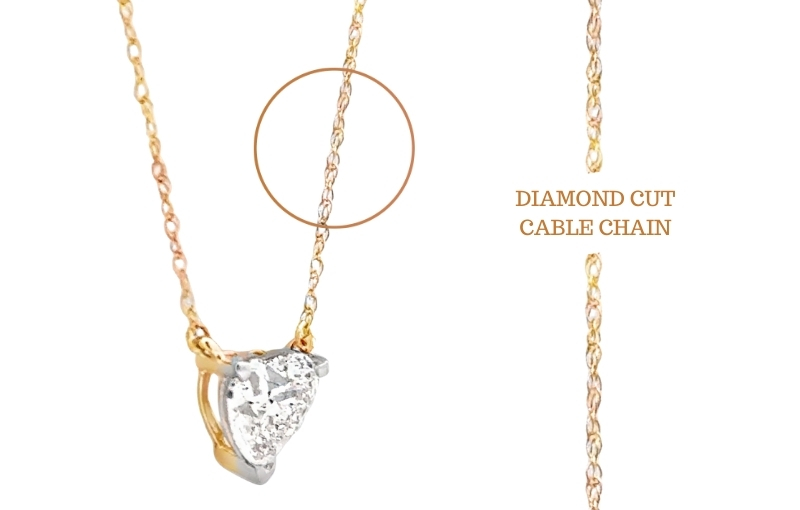
Selecting the Perfect Chain for Your Diamond Heart Pendant
Once you have chosen your heart diamond pendant, the next step in your necklace buying guide is to select the right chain. The chain’s style and length greatly affect how the pendant looks when worn.
Common Chain Styles
Different chain styles offer various levels of strength and visual appeal.
- Cable Chain: This is a simple and widely used chain style, made of interlocking oval links. It is generally durable and classic, suitable for many pendants.
- Rope Chain: Rope chains are made of links that are twisted together, creating a look similar to a rope. They are often strong and have a textured appearance.
- Box Chain: Box chains consist of square-shaped links that are connected to form a smooth, strong chain. They are known for their durability and sleek look.
- Snake Chain: Made of tightly linked, rounded plates or bands, a snake chain has a smooth, flexible texture that resembles a snake’s skin. It offers a refined and modern look.
Choosing the Right Chain Length
The length of your necklace chain determines where the pendant will sit on your body and how it complements your outfit and neckline.
- Choker (14-16 inches): This length sits closely around the base of the neck. It is suitable for certain necklines or for layering with longer necklaces.
- Princess (17-19 inches): This popular length typically rests on the collarbone. It is a versatile choice that works well with most necklines and allows the pendant to be a focal point.
- Matinee (20-24 inches): Matinee length chains fall below the collarbone, often reaching the center of the bust. They are suitable for higher necklines or as a statement piece.
- Opera (28-36 inches): An opera length chain is much longer, often falling below the bust. It can be worn as a single strand or doubled for a layered look.
Caring for Your Heart Shape Diamond Necklace
Proper care is important to keep your heart shaped diamond necklace looking its best for many years. Regular cleaning and professional attention will help maintain its beauty and integrity.
Regular Cleaning and Maintenance
You can perform simple cleaning at home to keep your diamond necklace sparkling.
- Gentle Soap and Water: Mix a small amount of mild dish soap with warm water. Soak your necklace for about 20-40 minutes.
- Soft Brush: Gently scrub the diamond and setting with a very soft brush, like a soft toothbrush, to remove dirt and oils. Pay attention to the back of the diamond and any crevices.
- Regular Wiping: After wearing your necklace, gently wipe it with a soft, lint-free cloth to remove skin oils and light dirt.
Professional Services for Your Necklace
Beyond home care, professional services are helpful for the long-term maintenance of your valuable jewelry. Barry Coats Jewelers in Livingston, Texas, offers a range of services to help you.
- Annual Inspections: Have your necklace inspected by a professional jeweler at least once a year. They can check the prongs and settings for any looseness and make sure the clasp is secure.
- Deep Cleaning: Professional jewelers have specialized tools and solutions for deep cleaning that can restore your diamond’s original sparkle and remove stubborn dirt.
- Repairs: If your chain breaks, a prong becomes loose, or the diamond needs re-setting, professional repairs are necessary to prevent further damage or loss of the stone.
- Appraisals: For insurance or valuation purposes, a professional jewelry appraisal provides an official document stating the necklace’s value.
Conclusion
Choosing a heart shaped diamond necklace in 2026 is a meaningful decision. By understanding the unique qualities of heart shaped diamonds, considering the 4 Cs, selecting the right metal and setting, and pairing it with a suitable chain, you can find a piece that truly captures your intentions. Remember that proper care and professional services from trusted jewelers like Barry Coats Jewelers will help keep your necklace beautiful for generations.
Frequently Asked Questions About Heart Shape Diamond Necklaces
What makes a good heart shaped diamond?
A good heart shape diamond shows pleasing symmetry, with a clear cleft, rounded lobes, and no sharp points. Its cut quality affects its sparkle and overall beauty.
What metal is best for a diamond heart pendant?
The “best” metal depends on your preference. Platinum offers strength and a bright white look. White gold is also popular for its similar appearance. Yellow gold gives a classic, warm feel, while rose gold provides a unique, soft pink hue.
Can I get a heart shape diamond necklace with a lab-grown diamond?
Yes, lab-grown diamonds are available in various shapes, including heart shapes. They offer the same chemical, physical, and optical properties as earth-mined diamonds. Barry Coats Jewelers offers lab-grown diamonds.
How often should I have my diamond necklace professionally cleaned?
It is a good practice to have your diamond necklace professionally cleaned and inspected once a year. This helps keep it sparkling and allows jewelers to check the settings for any issues.
What length of necklace chain is most popular for pendants?
For pendants, princess length chains (17-19 inches) are often chosen as they typically rest on the collarbone, allowing the pendant to be easily seen. However, personal style and neckline preferences can lead to other choices.