
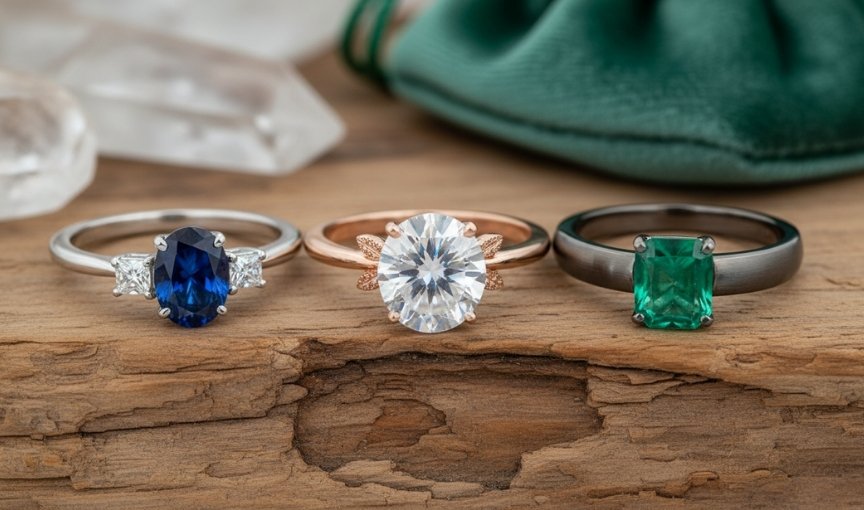
When you begin the search for the perfect engagement ring, you might first think of classic choices like gold or platinum. However, the world of jewelry offers many other options. These alternative materials can provide a unique look and feel for your special ring. This guide will help you understand the differences between traditional and unique engagement rings alternative materials, helping you make an informed decision for a piece you will cherish.
Key Takeaways
- Diverse Options: Beyond gold and platinum, many alternative materials offer distinct appearances and properties.
- Personalization: Alternative materials allow for a ring that truly reflects your individual style and values.
- Cost-Effective Choices: Some alternative materials can be more budget-friendly than traditional precious metals.
- Durability Varies: Each material has different strengths and weaknesses regarding wear and tear.
Maintenance Matters: Understanding the care requirements for your chosen material is important for its longevity.
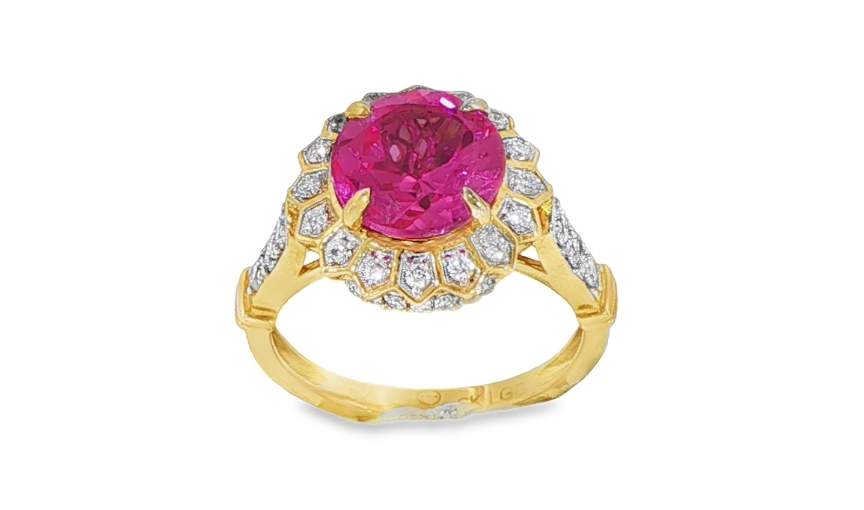
Why Consider Unique Engagement Rings Alternative Materials?
Choosing an engagement ring is a significant decision. While traditional metals are popular, there are many reasons to consider unique engagement rings alternative materials. These reasons often connect to personal preference, financial planning, and ethical considerations.
Personal Expression
Your engagement ring is a symbol of your commitment and personal style. Opting for an alternative material allows you to:
- Show Individuality: Stand out from common choices.
- Match Lifestyle: Select a material that suits your daily activities.
- Reflect Values: Choose materials that align with your beliefs.
Budget Considerations
Engagement rings represent a notable investment. Alternative materials can offer beautiful options at various price points. This can help you:
- Manage Spending: Find a ring that fits your financial plan.
- Allocate Funds: Potentially put more money towards the center stone or other wedding expenses.
- Avoid Debt: Make a responsible financial choice without compromising beauty.
Ethical and Sustainable Choices
For some, the origin and impact of materials are very important. Choosing alternative materials can mean:
- Responsible Sourcing: Selecting materials with known ethical production methods.
- Reduced Environmental Impact: Opting for materials that require less intensive mining or processing.
- Supporting New Innovations: Encouraging the development of more sustainable jewelry practices.
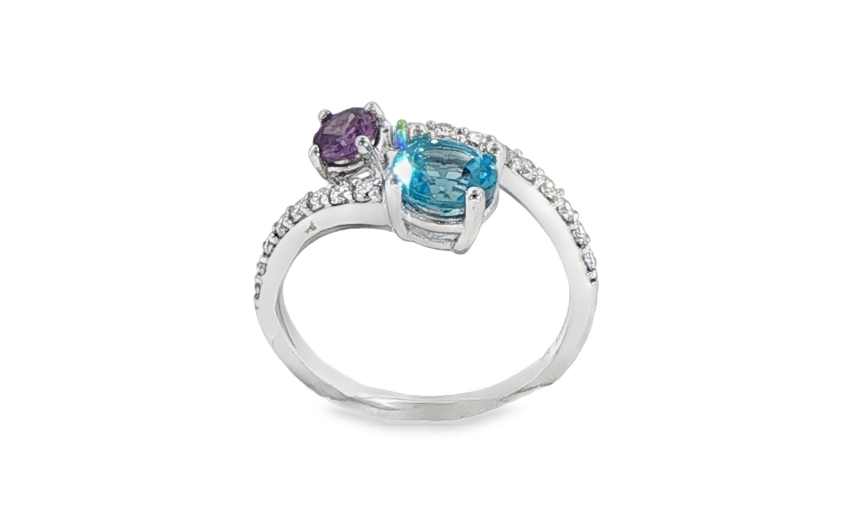
Traditional Engagement Ring Materials
Traditional engagement rings often feature precious metals known for their beauty and value. These materials have been popular for centuries and continue to be favored for their classic appeal.
Gold
Gold is a classic choice for engagement rings. It is valued for its warm color and versatility. Gold comes in different purities and colors:
- Yellow Gold: This is gold in its most natural color. It is often alloyed with silver and copper to increase its strength.
- White Gold: This is yellow gold mixed with white metals like palladium or nickel, then plated with rhodium. The rhodium plating gives it a bright, silvery-white look.
- Rose Gold: This is gold alloyed with copper, which gives it a distinct pinkish hue. The more copper used, the redder the color.
Gold’s purity is measured in karats (K), with 24K being pure gold. For jewelry, gold is usually 10K, 14K, or 18K. Lower karat gold is more durable because it contains more other metals.
Platinum
Platinum is another traditional and highly valued metal for engagement rings. It is naturally white and very durable. Key characteristics of platinum include:
- Natural White Color: It does not require plating and will not change color over time.
- Density: Platinum is a dense metal, making it feel heavier than gold.
- Hypoallergenic: It is a good choice for people with sensitive skin because it is naturally hypoallergenic.
Durability: Platinum is very strong and resistant to wear. While it can scratch, the metal is displaced rather than lost, meaning its volume remains the same.
Popular Alternative Materials for Engagement Rings
Beyond traditional gold and platinum, many alternative materials offer diverse looks and properties. These options allow for truly unique engagement rings alternative materials that cater to different tastes and needs.
Palladium
Palladium is a naturally white metal that belongs to the platinum family. It has gained popularity as an alternative to white gold and platinum. Consider these points about palladium:
- Lightweight: It is lighter than platinum, which some people prefer for comfort.
- Naturally White: Like platinum, it maintains its white color without needing rhodium plating.
- Hypoallergenic: It is generally safe for people with metal allergies.
- Durability: Palladium is strong and resistant to corrosion.
Titanium
Titanium is a very strong and lightweight metal, often used in aerospace and medical implants. It is a modern choice for engagement rings. Features of titanium include:
- Extreme Durability: It is highly resistant to scratching, bending, and breaking.
- Lightweight Comfort: Its low density makes it very comfortable to wear.
- Hypoallergenic: Titanium is an excellent option for those with sensitive skin.
- Color Options: It can be found in various finishes, from a dark gunmetal gray to brighter polished looks.
Tungsten Carbide
Tungsten carbide is a compound of tungsten and carbon, known for its extreme hardness. It is one of the hardest materials used in jewelry. Things to know about tungsten carbide:
- Scratch Resistance: It is highly resistant to scratches, making it look new for a long time.
- Strength: Tungsten carbide is very strong but can be brittle. A hard impact might cause it to crack rather than bend.
- Weight: It is a dense material, giving rings a substantial feel.
- Color: It typically comes in a dark gray or black color, but can also be plated.
Stainless Steel
Stainless steel is an alloy known for its strength, durability, and resistance to rust and corrosion. It is a cost-effective alternative. Key aspects of stainless steel rings:
- Affordability: It is much less expensive than precious metals.
- Durability: Stainless steel is quite strong and resistant to tarnishing.
- Hypoallergenic Options: Surgical-grade stainless steel is often well-tolerated by sensitive skin.
- Appearance: It has a silvery-white luster that can be polished or brushed.
Silver
Sterling silver has been used in jewelry for centuries. While beautiful, it has different properties compared to other ring materials. Points about silver engagement rings:
- Affordable: Silver is typically much more affordable than gold or platinum.
- Appearance: It has a bright, lustrous white color.
- Softness: Silver is softer than gold or platinum, making it more prone to scratching and bending.
- Tarnishing: Silver can tarnish over time, requiring regular cleaning and polishing.
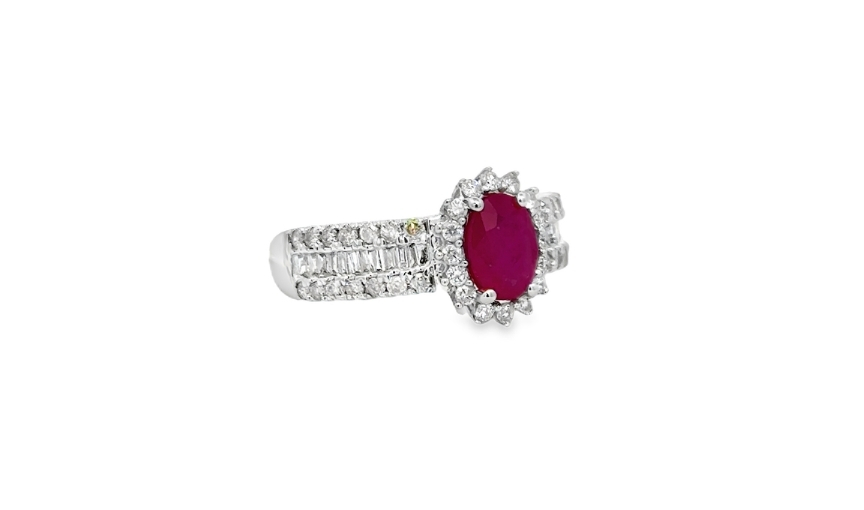
Comparing Traditional and Alternative Materials
When choosing an engagement ring, it is helpful to compare traditional and alternative materials across several factors. This will help you decide which material best suits your needs and preferences.
Durability and Wear
The durability of a ring material affects how well it stands up to daily wear.
- Platinum: Very durable, resistant to wear, and maintains its volume even when scratched.
- Gold (14K, 18K): Durable, but softer than platinum and can show scratches more easily. White gold plating needs re-application over time.
- Palladium: Durable and resistant to corrosion, similar to platinum but lighter.
- Titanium: Extremely hard and scratch-resistant, but cannot be easily resized.
- Tungsten Carbide: Exceptionally scratch-resistant, but brittle and can crack under impact.
- Stainless Steel: Durable and resistant to corrosion, a good everyday option.
- Silver: Softer than other options, prone to scratching and bending.
Maintenance Needs
Different materials require different levels of care to maintain their appearance.
- Platinum: Low maintenance; can be cleaned with mild soap and water. Does not tarnish.
- Gold: Requires occasional cleaning. White gold needs re-plating every few years to maintain its bright white color.
- Palladium: Low maintenance; cleans easily and does not tarnish.
- Titanium: Very low maintenance; simple cleaning with soap and water is enough.
- Tungsten Carbide: Extremely low maintenance; resistant to scratches and tarnishing.
- Stainless Steel: Low maintenance; cleans easily and resists tarnishing.
- Silver: Requires regular cleaning and polishing to prevent and remove tarnish.
Appearance and Style
Each material offers a distinct look and feel.
- Platinum: A classic, dense, naturally bright white metal.
- Yellow Gold: Traditional warm, rich color.
- White Gold: Bright, silvery-white (from rhodium plating), classic.
- Rose Gold: Romantic, coppery-pink hue, modern and popular.
- Palladium: A lighter, naturally white alternative to platinum.
- Titanium: Modern, sleek, often a darker gray color with various finishes.
- Tungsten Carbide: Contemporary, very dark gray or black, polished look.
- Stainless Steel: Bright, silvery-white, industrial yet refined.
- Silver: Bright and lustrous, but can appear less substantial than other metals.
Cost Differences
Cost is often a significant factor in ring selection.
- Platinum: Generally the most expensive due to its rarity and density.
- Gold: Price varies with karatage; generally less expensive than platinum but more than most alternatives.
- Palladium: Can be comparable to gold or slightly less, depending on market conditions.
- Titanium, Tungsten Carbide, Stainless Steel: Significantly more affordable than precious metals.
- Silver: The most affordable option among all materials.
Making Your Choice at Barry Coats Jewelers
Choosing an engagement ring is a personal journey, and Barry Coats Jewelers is here to help you every step of the way. Whether you are leaning towards traditional gold or platinum, or considering the unique appeal of alternative materials, our team can guide you.
We offer a wide selection of jewelry and can discuss the properties of various metals to find what works best for you. Our experts understand the importance of durability, style, and budget. We can also assist with custom jewelry design if you have a specific vision for a unique engagement ring. From classic designs to unique engagement rings alternative materials, Barry Coats Jewelers provides quality craftsmanship and helpful service to ensure you find the ring that perfectly symbolizes your commitment.
Frequently Asked Questions
What are the most popular alternative materials for engagement rings?
Popular alternative materials include palladium, titanium, tungsten carbide, and stainless steel. Each offers different looks, strengths, and price points compared to traditional gold or platinum.
Are alternative materials as durable as traditional ones?
Many alternative materials, like titanium and tungsten carbide, are highly durable and scratch-resistant. However, their specific properties differ. For example, tungsten carbide is very hard but can be brittle, while platinum is softer but very resistant to wear.
Can alternative material rings be resized?
Some alternative material rings, such as those made from titanium or tungsten carbide, are very difficult or impossible to resize due to their hardness. Rings made from palladium or stainless steel may be resized, but it depends on the specific design and the jeweler’s capabilities. It is best to confirm this before purchasing.
How do I care for an alternative material engagement ring?
Care instructions vary by material. Most alternative materials like titanium and tungsten carbide require minimal care, usually just cleaning with mild soap and water. Silver will need regular polishing to prevent tarnish. Always ask your jeweler for specific care advice for your chosen material.
Does Barry Coats Jewelers offer custom designs for alternative materials?
Yes, Barry Coats Jewelers offers custom jewelry design services. If you are interested in a ring made with an alternative material, our master jeweler can work with you to create a unique piece that meets your specifications and preferences.