
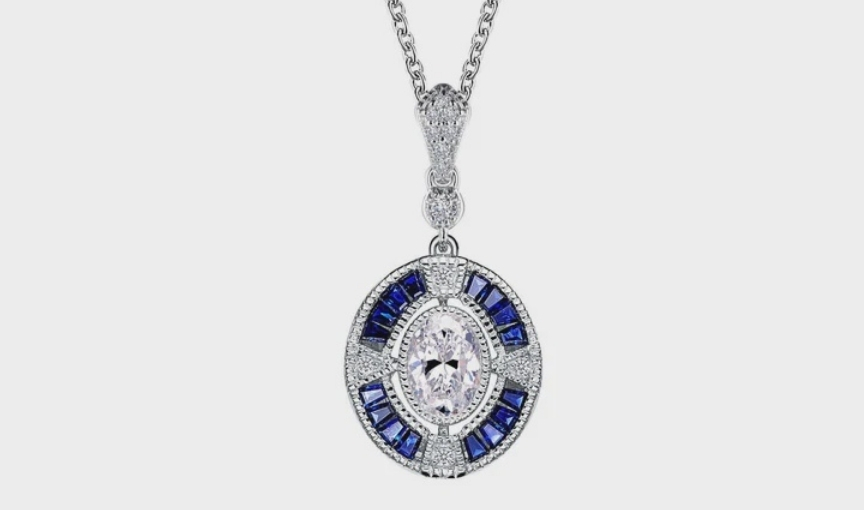
Art Deco diamond necklaces represent a period of bold design and fine craftsmanship. These pieces are highly sought after for their unique style and historical importance. If you are considering buying vintage diamond necklaces from this celebrated era, understanding their specific characteristics and value is essential. This Art Deco diamond necklaces buyer’s guide will help you make informed decisions, ensuring you select a piece that brings lasting satisfaction. Barry Coats Jewelers is here to assist you in your search, check them out in Livingston, Texas.
Key Takeaways
- Art Deco necklaces feature distinct geometric designs, symmetry, and specific diamond cuts like Old European and Asscher.
- Platinum and white gold were popular metals during the Art Deco period.
- Value depends on authenticity, condition, diamond quality, craftsmanship, and rarity.
- Research market prices by reviewing auction results and consulting with jewelers.
- Authenticity is confirmed by specific metalwork, diamond settings, and overall design, often requiring expert appraisal.
- Consider your budget, the necklace’s condition, and your personal style when making a selection.
- Buy from reputable sources and always ask for documentation, including appraisal reports.
- Proper cleaning, storage, and professional maintenance are key to preserving your Art Deco necklace.
What Makes Art Deco Diamond Necklaces Special?
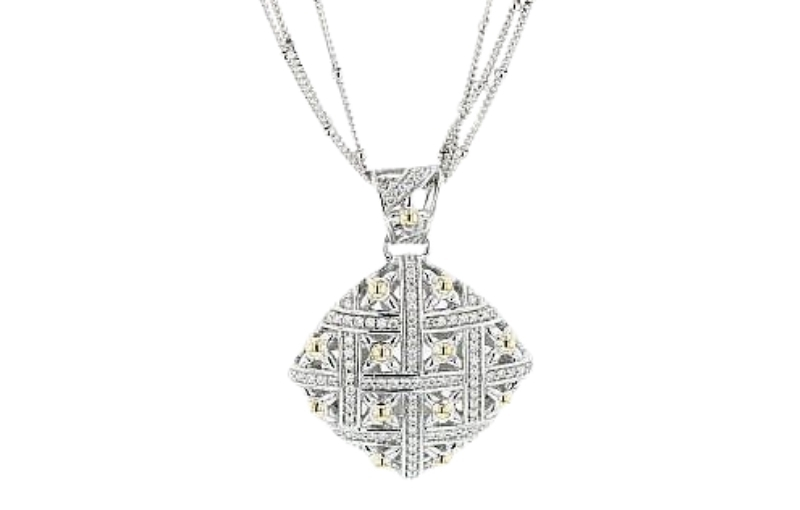
The Art Deco period, roughly spanning from the 1920s to the 1930s, brought a new wave of artistic expression. This era influenced architecture, fashion, and, significantly, jewelry design. Art Deco jewelry stands out for its departure from the flowing, natural forms of earlier styles like Art Nouveau. Instead, it embraced modernity, featuring strong lines, geometric shapes, and a sense of luxury. These diamond necklaces reflect the excitement and innovation of their time, making them distinct and highly collectible.
Key Design Features of Art Deco Jewelry
When you look at Art Deco necklaces, you will notice certain design elements that define them. These features give the jewelry a structured, elegant appearance that is easily recognizable.
- Straight lines and sharp angles: Unlike softer, curved designs, Art Deco pieces often show clear, precise lines.
- Symmetry and balance in patterns: Designs are frequently mirrored, creating a harmonious and balanced look.
- Bold and contrasting colors, often from gemstones: While diamonds are central, many pieces include colored stones like sapphires, emeralds, or rubies set against white metals.
- Architectural inspiration: The designs often reflect the skyscrapers and industrial advancements of the period.
Streamlined shapes: A sense of movement and speed is often present, reflecting the era’s fascination with technology and travel.
Popular Diamond Cuts in the Art Deco Era
The diamonds in Art Deco necklaces often have specific cuts that were popular during that time. These cuts differ from modern brilliant cuts and contribute to the authentic feel of a vintage piece.
- Old European Cut:
- This is a rounded shape.
- It has a deep pavilion, which is the bottom part of the diamond.
- The table, or flat top surface, is small.
- You can often see a visible culet, which is a small facet at the bottom tip of the diamond.
- Asscher Cut:
- This cut features a square shape with clipped corners.
- It uses step-cut facets, which are flat, rectangular facets arranged in a parallel way.
- This cut creates a “hall of mirrors” effect within the diamond.
- Emerald Cut:
- Similar to the Asscher, this cut is rectangular with clipped corners.
- It also uses step-cut facets.
- The Emerald cut is known for showing off the diamond’s clarity well.
- Baguette Cut:
- This is a long, rectangular shape.
- Baguette diamonds were often used as accent stones in Art Deco necklaces.
- They provide a sleek, linear look that complements the geometric designs.
Common Metals Used
The choice of metal is another important characteristic of Art Deco diamond necklaces. The period favored certain metals for their appearance and properties.
- Platinum:
- Platinum was the most popular metal for Art Deco jewelry.
- It is known for being strong and durable.
- Platinum has a naturally white color, which makes diamonds appear brighter.
- White Gold:
- White gold was used as a more accessible alternative to platinum.
- It was often alloyed with metals like nickel or palladium to give it a white color.
- White gold pieces from this era might have been rhodium plated for a brighter white finish, though this plating can wear over time.
- Yellow Gold:
- While less common for the main settings of diamond necklaces in this period, yellow gold was sometimes used for accents or the backs of pieces.
- It provides a warm contrast to the cooler tones of diamonds and other gemstones.
Understanding Value When Buying Vintage Diamond Necklaces
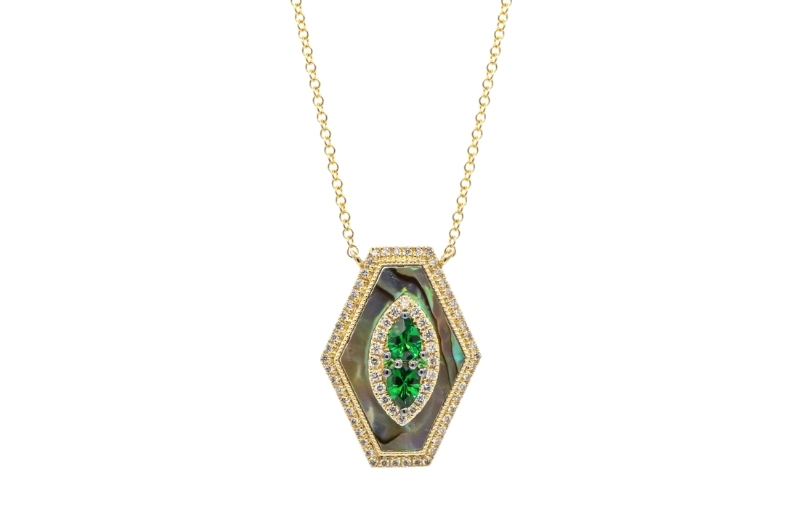
When you consider buying vintage diamond necklaces, understanding their true value goes beyond simply appreciating their beauty. Several factors contribute to the worth of an Art Deco piece, especially when considering the 2026 jewelry market.
Factors That Affect Value
The price of an Art Deco diamond necklace is influenced by a combination of specific elements. Knowing these helps you assess its true worth.
- Age and Authenticity:
- The piece must be genuinely from the Art Deco period (roughly 1920s-1930s).
- Originality of design and components is also important; pieces with replaced parts may have less value.
- Condition:
- Minimal wear and tear on the metal and stones is preferred.
- The necklace should have no major repairs or replacements that detract from its original state.
- Original patina, the natural aging of the metal, can add to its character and value.
- Diamond Quality:
- The traditional 4 Cs – Carat (weight), Cut (shape and facets), Color (how colorless it is), and Clarity (absence of inclusions) – apply.
- The type of diamond cut, such as an Old European cut, often adds to the period authenticity and desirability.
- Gemstone Quality (if present):
- If the necklace includes colored stones like sapphires, emeralds, or rubies, their quality (color, clarity, origin) affects the overall value.
- Natural stones are generally more valuable than synthetic ones.
- Craftsmanship and Design:
- The intricacy and skill shown in the making of the piece can increase its value.
- Unique or iconic designs that are characteristic of the era are highly prized.
- Rarity:
- How many similar pieces exist can impact its value.
- Pieces from renowned jewelers or those with a known history (provenance) are often more valuable due to their rarity and story.
How to Research Market Prices (2026 Jewelry Market)
To make an informed purchase, it is wise to research current market prices for Art Deco diamond necklaces. This helps you understand what a fair price might be, especially with an eye on the 2026 jewelry market.
- Look at Auction Results:
- Review past sales from reputable auction houses specializing in antique or estate jewelry.
- Take note of the prices realized for pieces similar to what you are looking for.
- Consult with Jewelers:
- Speak with experienced jewelers who specialize in antique or estate jewelry, like Barry Coats Jewelers.
- Ask for their insights on current market value and demand.
- Compare Online Listings:
- Check prices on trusted online antique jewelry platforms.
- Be aware that online prices can vary widely, so compare across several reputable sites.
- Consider Market Trends for 2026:
- Understand that the demand for specific vintage styles can change over time.
- Note any shifts in popularity for certain diamond cuts, metals, or design motifs that might influence prices in the upcoming year.
Identifying Authentic Art Deco Diamond Necklaces
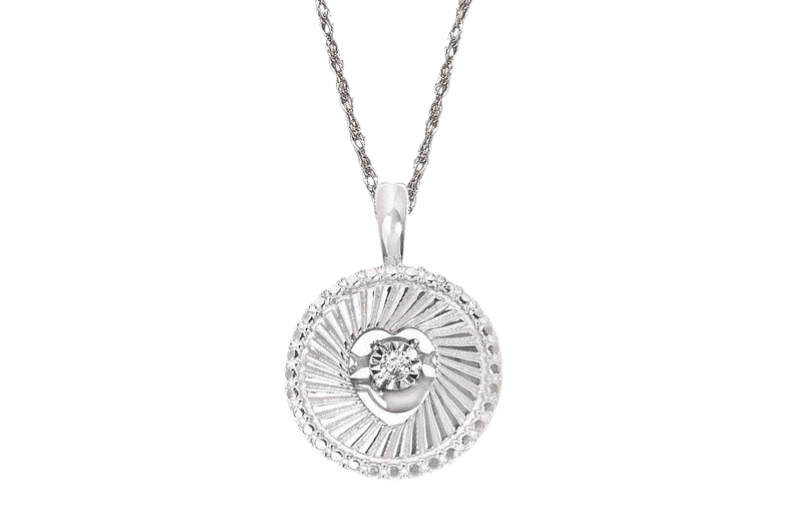
A key part of buying an Art Deco diamond necklace is being able to tell a genuine piece from a reproduction or a piece from a different period. This section will help you in identifying authentic Art Deco jewelry.
Signs of True Art Deco Craftsmanship
Authentic Art Deco necklaces show specific physical attributes and construction methods that reflect the period’s standards and styles.
- Metalwork:
- Look for fine milgrain edging, which consists of tiny bead-like details along the edges of the metal.
- Filigree work, a delicate, open metalwork style, is also common.
- Platinum or white gold as the primary metal is a strong indicator of the period.
- Diamond Setting:
- Pave settings, where many small diamonds are set closely together to cover a surface, were popular.
- Bezel settings, where a metal rim surrounds the diamond, and channel settings, where diamonds are set within a groove, are also characteristic.
- Overall Design:
- Strong geometric patterns, often with a focus on symmetry, are central to Art Deco design.
- The use of colored accent stones, such as sapphires or emeralds, alongside diamonds is typical.
- Hallmarks and Maker’s Marks:
- Check for stamps indicating metal purity (e.g., “PLAT” for platinum, “14K” or “18K” for gold).
- Some pieces may have a maker’s mark or jeweler’s signature, though not all will. Researching these marks can help confirm authenticity.
Red Flags: What to Watch For
Certain signs can suggest that a necklace might not be an authentic Art Deco piece, but rather a reproduction or from a different era.
- Modern Diamond Cuts:
- If the main diamonds are brilliant cut diamonds, which became common after the Art Deco period, it might be a sign.
- Look out for modern polishing techniques or laser-drilled holes, which were not available during the Art Deco era.
- Newer Metals or Alloys:
- If the primary metal is sterling silver or a very modern alloy, it is less likely to be an authentic Art Deco piece.
- Very bright, unaged white gold without any rhodium plating that looks too new could also be a warning sign.
- Lack of Wear:
- A piece that looks brand new with no signs of age or light wear, which is natural for a piece decades old, should raise questions.
- Incorrect Design Elements:
- Designs that do not match the geometric, symmetrical aesthetics of Art Deco should be viewed carefully.
- Poor quality craftsmanship that does not meet the high standards of the period can also indicate inauthenticity.
- Suspicious Pricing:
- A price that seems unusually low for an authentic Art Deco diamond necklace should prompt further investigation. Genuine pieces hold significant value.
The Role of Expert Appraisal
For confirming authenticity and understanding value, seeking an expert appraisal is a very important step.
- Independent Opinion:
- An independent appraiser provides an unbiased assessment of the necklace.
- They can confirm the piece’s era, the materials used, and its overall condition.
- Value Determination:
- Appraisers determine the current market value, which is important for insurance purposes or if you ever consider resale.
- This determination helps you understand the financial standing of your purchase.
- Authentication:
- An expert can spot details that an untrained eye might miss, such as specific manufacturing techniques or period-specific wear patterns.
- They can confirm the authenticity of diamonds and any other gemstones.
- Documentation:
- You receive a formal document detailing the necklace’s characteristics, including descriptions of stones, metals, and an estimated value. This document is invaluable.
Choosing Your Art Deco Diamond Necklace
Once you understand the history and value, the next step is choosing a necklace that suits you. This section helps you consider your personal preferences and practical aspects for Art Deco necklace selection.
Setting Your Budget
Before you begin your search, it is helpful to decide how much you want to spend on an Art Deco diamond necklace.
- Determine Your Spending Limit:
- Decide on a comfortable price range before you start looking at pieces. This helps narrow your options.
- Factor in Additional Costs:
- Remember to consider potential appraisal fees, any necessary repairs or restorations, and the cost of insurance for your new piece.
- Understand Price Variations:
- Prices differ significantly based on the necklace’s condition, its rarity, the quality of its diamonds, and the complexity of its design.
Considering Condition and Wear
The physical state of the necklace is a significant factor in both its value and its suitability for you. Careful inspection is advised.
- Examine the Metal:
- Look closely for any cracks, areas where the metal has thinned, or heavy scratches.
- Check that all clasps and links are secure and function properly.
- Inspect the Diamonds and Gemstones:
- Ensure that all stones are present and securely set in their mountings.
- Look for any chips or cracks in the diamonds or other gemstones.
- Check for Repairs:
- Look for signs of previous repairs, which might affect the necklace’s value or its long-term durability.
- Always ask the jeweler about any past work done on the piece.
Finding the Right Style for You
Art Deco necklaces come in many forms. Thinking about what kind of style best suits your taste and needs will guide your choice.
- Consider Length and Drop:
- Art Deco necklaces are found in various lengths, from shorter choker styles to longer opera lengths.
- Think about where you prefer the necklace to sit on your chest and how it will complement your necklines.
- Think About Design Complexity:
- Do you prefer a simple, elegant pendant with a single diamond or a more elaborate design with multiple diamonds and intricate metalwork?
- Consider if you want colored accent stones to add vibrancy to the piece.
- Match Your Wardrobe:
- Think about how the necklace will fit with your current clothing style and the types of outfits you wear.
- Decide if you intend for it to be for special occasions or if you plan to wear it more regularly.
The Buying Process: Steps to Take
Navigating the purchase of an Art Deco diamond necklace involves several practical steps. Following these guidelines will help ensure a smooth and confident transaction when buying vintage diamond necklaces.
Where to Look for Art Deco Necklaces
Finding a reputable source is crucial when searching for genuine Art Deco diamond necklaces.
- Reputable Antique Jewelers:
- Seek out stores that specialize in vintage and estate jewelry.
- Look for jewelers with a long history and a good reputation, like Barry Coats Jewelers, known for their expertise and trusted service.
- Specialized Auction Houses:
- Auction houses often feature unique and high-value antique pieces.
- Ensure the auction house provides detailed descriptions, authenticity guarantees, and opportunities for pre-sale viewing.
- Trusted Online Platforms:
- Explore websites that specifically sell authenticated antique jewelry.
- Always read customer reviews, understand their return policies, and check for clear descriptions and high-quality images.
Questions to Ask Your Jeweler
Before making a purchase, it is important to ask specific questions. These inquiries will provide you with essential information and reassurance.
- “What is the history or provenance of this necklace?”
- “Has this necklace undergone any repairs or restorations?”
- “Can you provide details about the diamonds (cut, carat, color, clarity)?”
- “What is the metal content of the necklace?”
- “Do you offer an appraisal or can you recommend an independent appraiser?”
- “What is your return or exchange policy?”
- “How should I care for this particular piece?”
Documentation and Certifications
When you buy an Art Deco diamond necklace, certain types of paperwork should accompany your purchase. This documentation is important for verification and future reference.
- Appraisal Report:
- A formal document stating the necklace’s value and detailed characteristics.
- This report is very important for insurance purposes.
- Authenticity Certificate:
- Some jewelers provide a certificate confirming the piece’s origin and the era it belongs to.
- Diamond Grading Report (if available):
- For significant individual diamonds within the necklace, a report from a gemological laboratory (such as GIA or AGS) provides detailed information on its quality.
- Sales Receipt:
- Always obtain a detailed sales receipt as proof of purchase, listing the item’s description and the price paid.
Caring for Your Art Deco Diamond Necklace
Once you own an Art Deco diamond necklace, proper care is essential to maintain its beauty and condition for many years. This involves regular cleaning and professional maintenance.
Cleaning and Storage Tips
Taking care of your necklace involves specific cleaning and storage methods to protect its delicate nature.
- Gentle Cleaning:
- Use a soft brush, mild soap (like dish soap), and warm water to gently clean your necklace.
- Avoid harsh chemicals or ultrasonic cleaners, especially with older settings, delicate filigree, or if the necklace contains colored gemstones, which can be sensitive.
- After cleaning, dry the necklace thoroughly with a soft, lint-free cloth.
- Proper Storage:
- Store your necklace separately from other jewelry in a soft pouch or a lined jewelry box.
- This prevents scratches and tangles.
- Keep it away from direct sunlight, extreme temperatures, and areas with high humidity.
Regular Maintenance and Repairs
Professional check-ups and timely repairs are important for preserving the integrity and value of your Art Deco necklace.
- Professional Inspections:
- Have your necklace inspected by a jeweler, like Barry Coats Jewelers, at least once a year.
- They can check for loose stones, worn prongs, or any signs of metal fatigue that could lead to damage.
- Timely Repairs:
- Address any issues, such as a loose stone or a damaged clasp, quickly to prevent further damage or loss.
- Always use a jeweler who has experience in repairing antique and vintage jewelry, as these pieces require specialized handling.
Conclusion
Art Deco diamond necklaces offer a unique connection to a vibrant period of history, blending architectural inspiration with dazzling diamonds. This Art Deco diamond necklaces buyer’s guide has covered what makes these pieces special, how to understand their value, and how to identify authentic items. By paying attention to design features, diamond cuts, metalwork, and the overall condition, you can make an informed choice. Remember the importance of expert appraisal and careful documentation in your buying process. With proper care and maintenance, your Art Deco diamond necklace will remain a cherished possession. For assistance with your selection or for expert appraisal and repair services, Barry Coats Jewelers is a trusted resource.
Frequently Asked Questions
What is the typical age range for an Art Deco diamond necklace?
Art Deco diamond necklaces typically date from the 1920s to the 1930s. This period is known for its distinctive geometric designs and use of specific diamond cuts.
Are Art Deco diamond necklaces a good investment?
Many people consider Art Deco diamond necklaces to be a good purchase, especially if they are authentic, in good condition, and feature high-quality diamonds and craftsmanship. Their historical importance and unique aesthetics contribute to their lasting appeal and value.
Can I wear an Art Deco diamond necklace every day?
While you can wear an Art Deco diamond necklace, it is often recommended to reserve delicate antique pieces for special occasions rather than daily wear. Older settings and metals can be more fragile than modern jewelry, and frequent wear can increase the risk of damage or needing repairs.
How do I know if the diamonds in an Art Deco necklace are real?
To confirm if the diamonds in an Art Deco necklace are real, the best approach is to have the piece examined by a certified gemologist or a reputable jeweler. They can perform tests and provide a diamond grading report. Look for characteristics like specific antique cuts (Old European, Asscher) which often indicate authenticity.
What should I do if my Art Deco necklace needs repair?
If your Art Deco necklace needs repair, it is very important to take it to a jeweler who specializes in antique and vintage jewelry. They understand the specific techniques, materials, and delicate nature of older pieces. Do not take it to a jeweler who only works with modern items, as they may not have the expertise to handle it properly. Barry Coats Jewelers has experience in jewelry repair and can help.