When you plan for an engagement ring, you consider many things. You think about the design, the stone’s color, and how it will look on your hand. But have you thought about where the gemstone comes from? Choosing a ring with ethical sourcing practices means you are thinking about more than just beauty. You are making a choice that helps people and the planet. This guide will help you understand fair trade gemstone engagement rings and why they matter.
Key Takeaways
- Fair trade gemstones come from sources that follow strict rules for workers and the environment.
- Choosing these rings helps mining communities and protects nature.
- Look for certifications and ask jewelers about their sourcing methods.
- Many beautiful gemstones, like sapphires and emeralds, can be found through fair trade.
- You can pair these stones with various metals for a personal and responsible ring.
What are Fair Trade Gemstone Engagement Rings?
Fair trade gemstone engagement rings are rings where the main stone has been sourced in a way that is fair to the people who mine it and gentle on the environment. This means that every step, from the mine to your jeweler, meets specific standards.
Understanding Ethical Sourcing Practices
Ethical sourcing practices refer to a set of rules and behaviors that make sure products are made without harming people or the environment. For gemstones, this includes:
- Fair Wages: Miners receive fair pay for their hard work.
- Safe Working Conditions: Mines are safe places to work, with proper equipment and training.
- No Child Labor: Children are not used in mining operations.
- Environmental Protection: Mining methods do not cause too much damage to the earth or water.
- Community Development: Some of the money from gemstone sales goes back to help the local communities where the gems are found.
These practices help create a better life for those involved in the gemstone trade.
The Difference Fair Trade Makes
Choosing a fair trade gemstone makes a real difference. It means you are supporting a system where:
- Miners are treated with respect. They have better living conditions and access to education or healthcare.
- The environment is protected. Efforts are made to reduce pollution and restore land after mining.
- Transparency is valued. You can often learn about the journey of your gemstone.
This is different from traditional sourcing, where these protections are not always in place.
Why Choose Fair Trade Gemstone Engagement Rings?
Choosing fair trade gemstone engagement rings is a way to make a positive impact with your purchase. It aligns your personal values with your jewelry choice.
Supporting Communities Through Fair Trade
When you buy a fair trade gemstone, you are directly helping the communities where these gems are found. Often, these are small, remote communities that rely on mining for their income. Fair trade initiatives provide:
- Stable Income: Miners get a steady and fair income, which helps them plan for their future.
- Better Services: Funds from fair trade sales can go towards building schools, hospitals, or clean water systems.
- Empowerment: Workers have a say in their conditions and can work together to improve their lives.
Your choice helps these communities grow and thrive.
Environmental Care
Mining can harm the environment if not done carefully. Fair trade standards include rules to lessen this harm. This can involve:
- Reducing Waste: Using methods that create less waste material.
- Water Management: Protecting local water sources from pollution.
- Land Restoration: Working to bring mined land back to its natural state.
- Lower Chemical Use: Avoiding harmful chemicals in the mining process.
By choosing fair trade, you are supporting practices that care for our planet.
Knowing Your Gemstone’s Journey
Many people want to know the story behind their jewelry. With fair trade gemstones, you often get more information about where your stone came from. This can include:
- Country of Origin: Knowing the specific country or even region the gem was mined in.
- Mining Group: Sometimes, you can learn about the small-scale mining group that found the stone.
- Certification Details: Information about the standards the mine meets.
This transparency adds a deeper meaning to your engagement ring.
How to Identify Fair Trade Gemstones
Finding fair trade gemstone engagement rings requires knowing what to look for and what questions to ask. It is about making sure the claims are real.
Certifications to Look For
Several organizations work to certify gemstones as fair trade or ethically sourced. These certifications mean that an independent group has checked the mining and supply chain. Some common certifications or initiatives include:
- Fairmined: This certification focuses on gold, but some gemstones are also part of this system. It ensures responsible mining practices.
- Fair Trade Gems: This is an older term, but many jewelers still use it to describe their commitment to ethical sourcing.
- Specific Mine Programs: Some mines have their own programs that follow ethical guidelines, even if they don’t have a broad certification.
Always ask your jeweler about the specific certifications or programs they follow.
Asking the Right Questions
When you visit a jeweler, especially one like Barry Coats Jewelers, do not be afraid to ask about their sourcing. Good questions include:
- “Where do your gemstones come from?”
- “What steps do you take to ensure your gemstones are ethically sourced?”
- “Do you have any certifications for your gemstones?”
- “Can you tell me about the conditions at the mines where these stones are found?”
A reputable jeweler will be happy to share this information with you. They should be transparent about their ethical sourcing practices.
Popular Fair Trade Gemstone Options
While diamonds are popular, many beautiful gemstones can be found through fair trade channels. These offer unique colors and meanings for your engagement ring.
Sapphires
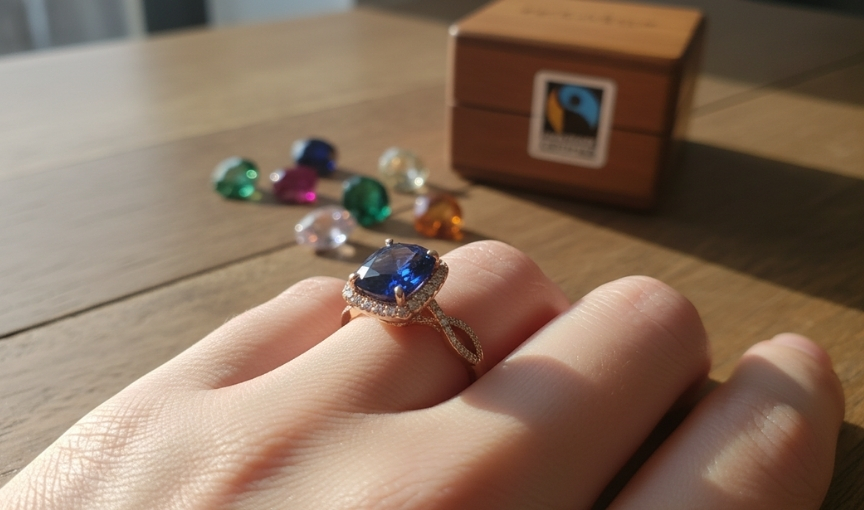
Sapphires are known for their deep blue color, but they come in many shades, including pink, yellow, and green. They are very durable, making them a good choice for daily wear. Fair trade sapphires are available from various regions that follow strict ethical guidelines.
Emeralds
Emeralds are famous for their rich green color. They are a softer stone than sapphires, so they may need more care. Ethically sourced emeralds are gaining popularity, allowing you to enjoy their beauty with a clear conscience.
Rubies
Rubies are prized for their vibrant red hue, symbolizing love and passion. Like sapphires, they are very hard and suitable for engagement rings. Fair trade rubies can be found from mines committed to responsible practices.
Other Unique Gemstones
Beyond these well-known gems, you can find other ethically sourced options:
- Amethyst: A purple quartz, often more affordable.
- Garnet: Comes in many colors, from deep red to orange and green.
- Topaz: Available in blue, yellow, and other colors.
Each of these offers a unique look and story for your ring.
Setting Your Fair Trade Gemstone
Once you have chosen your fair trade gemstone, the next step is to select the perfect setting. The metal and design of the ring will show off your stone beautifully.
Metal Choices for Your Ring
You have several choices for the metal of your engagement ring. Each metal has a different look and feel:
- Platinum: A strong, naturally white metal that does not tarnish. It is a good choice for durability.
- Yellow Gold: A classic and warm choice, available in different purities like 14k or 18k.
- White Gold: Gold mixed with white metals and often plated with rhodium to give it a bright, silvery look.
- Rose Gold: Gold mixed with copper to create a warm, pinkish hue. It is a modern and romantic option.
You can also ask about recycled metals, which are another way to make an environmentally friendly choice.
Design Considerations
The design of your ring should highlight your chosen gemstone. Consider these aspects:
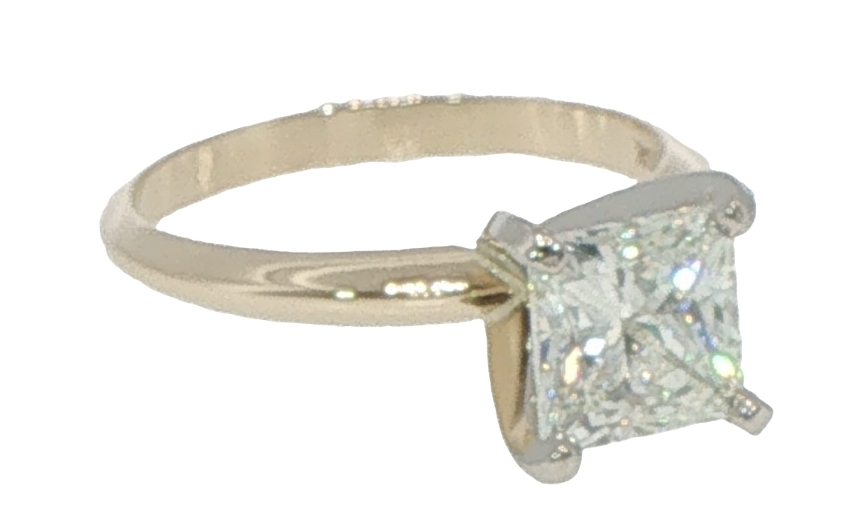
- Solitaire Setting: A single stone set on a simple band, which lets the gemstone be the main focus.
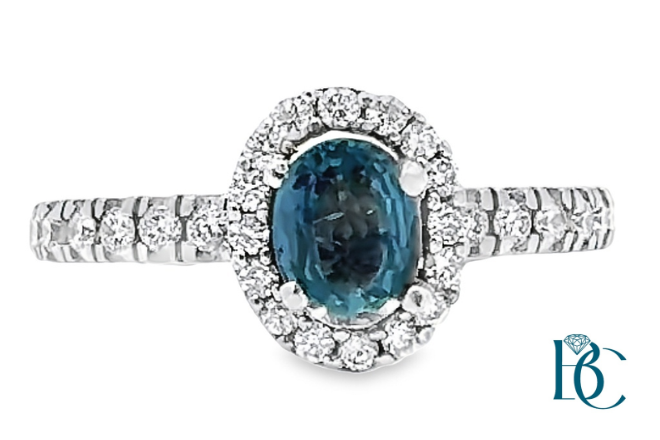
- Halo Setting: A ring of smaller diamonds or gemstones around the main stone, making it appear larger and adding sparkle.
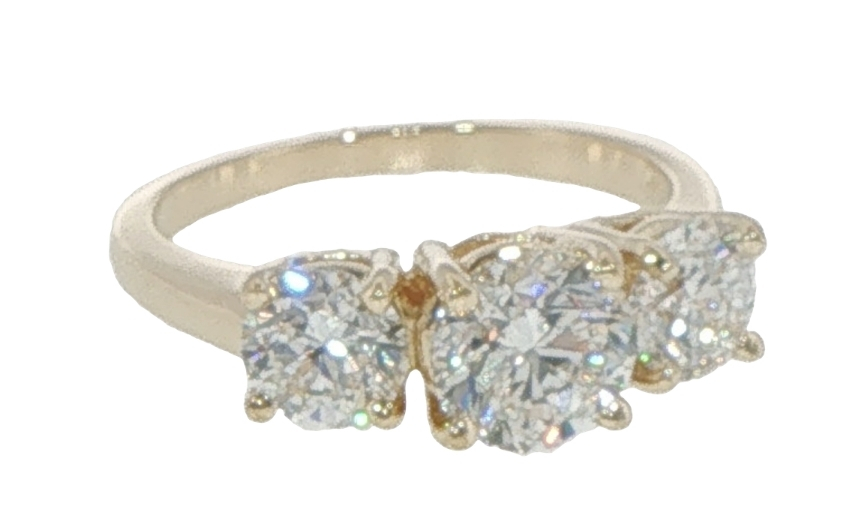
- Three-Stone Setting: A main gemstone flanked by two smaller stones, often symbolizing the past, present, and future.
- Vintage Styles: Designs inspired by older eras, offering intricate details and unique looks.
- Custom Design: If you have a specific idea, jewelers like Barry Coats Jewelers can help you create a custom jewelry design that is truly one-of-a-kind.
Working with a jeweler who understands your vision will help you create the perfect fair trade gemstone engagement ring.
Frequently Asked Questions
What does “ethical sourcing practices” mean for gemstones?
It means that the gemstones are mined and traded in a way that is fair to workers, safe for the environment, and helps local communities. This includes fair wages, good working conditions, no child labor, and efforts to reduce environmental harm.
Are fair trade gemstones more expensive?
Sometimes, fair trade gemstones might have a slightly higher cost due to the extra steps taken to ensure ethical practices. However, many people feel the added value of supporting fair labor and environmental care is worth it. Prices can vary greatly based on the type, size, and quality of the gemstone.
How can I be sure a gemstone is truly fair trade?
Look for certifications from recognized organizations that audit mining and supply chains. Also, speak directly with your jeweler. A reputable jeweler will be transparent about their sourcing and can provide details about where their gemstones come from and the ethical sourcing practices they follow.
Can I find fair trade diamonds?
Yes, the concept of ethical sourcing also applies to diamonds. You can find earth-mined diamonds that are ethically sourced, or you might consider lab-grown diamonds, which are created in a controlled environment and avoid many of the ethical concerns associated with traditional mining.
What types of settings work best with fair trade gemstones?
Any setting style can work with fair trade gemstones. Popular choices include solitaire, halo, and three-stone settings. The best setting depends on the gemstone’s shape, your personal style, and the overall look you want for your engagement ring. You can also explore custom jewelry design options to create a truly unique piece.